

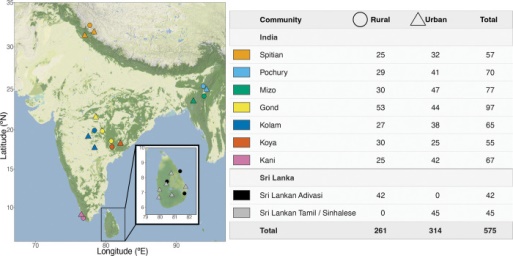
A major study has found that the gut microbiomes of South Asian populations are distinct from those observed in other parts of the world, with local geography, culture, diet and urbanisation playing an important role in shaping microbial communities. The findings could provide a foundation for developing more region-specific approaches to nutrition, diagnostics and treatment of lifestyle-related diseases.
The study, published in Gut Microbes, analysed the gut microbiomes of 575 adults from 10 geographically and socio-culturally diverse communities across India and Sri Lanka. Researchers created the South Asian MicroBiome ARray (SAMBAR), comparing participants from rural and urban settings to examine how lifestyle transitions influence gut microbial composition.
Researchers found that South Asian microbiomes occupy a distinct compositional space compared with global cohorts. The study also identified community-specific responses to urbanisation, including changes in microbial groups associated with metabolic health. Urban lifestyles were linked with markers such as higher BMI and blood pressure, while certain microbial taxa showed associations with blood glucose and gut microbiome diversity.
The findings are particularly significant as South Asia faces a growing burden of obesity, diabetes and other cardiometabolic disorders. The researchers suggest that microbiome-based interventions may need to account for regional differences in diet, culture, geography and lifestyle rather than relying solely on models developed from Western populations.
The SAMBAR dataset is expected to support future research into microbiome-based diagnostics, personalised nutrition and precision healthcare, while strengthening representation of South Asian populations in global microbiome research.