

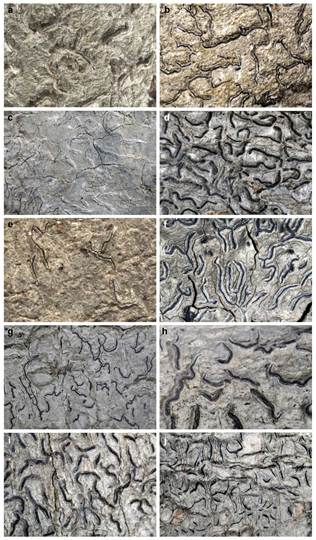
Researchers have discovered and described five new species of lichen-forming fungi belonging to the genus Allographa in the biodiversity-rich Western Ghats, marking a significant contribution to the understanding of India’s lichen diversity.
The study was undertaken by researchers from the MACS-Agharkar Research Institute, Pune, an autonomous institute under the Department of Science and Technology. The team combined traditional taxonomic techniques with modern molecular phylogenetic methods to reassess the diversity and evolutionary relationships of Allographa species found in the Western Ghats.
The five newly identified species are Allographa keralensis, named after Kerala; A. nayakae, named in honour of Indian lichenologist Dr. Sanjeeva Nayaka; A. paraconsanguinea; A. persistinspersa; and A. semicarbonisata. The researchers also generated new molecular data for several previously known species, including A. calcea, A. macella, A. aquilonia, A. rimulosa and A. effusosoredica.
The research represents the first comprehensive molecular phylogenetic investigation of Allographa species from the Western Ghats. The findings are expected to strengthen scientific understanding of lichen diversity, species evolution and ecological relationships in one of India’s most important biodiversity hotspots.
Lichens, formed through a close association between fungi and photosynthetic partners such as algae or cyanobacteria, are highly sensitive to pollution and changes in their surroundings. They are therefore considered valuable indicators of forest health and environmental quality. The discovery of these new species further underlines the rich and still evolving biodiversity of the Western Ghats and the importance of continued research and conservation efforts in the region.