

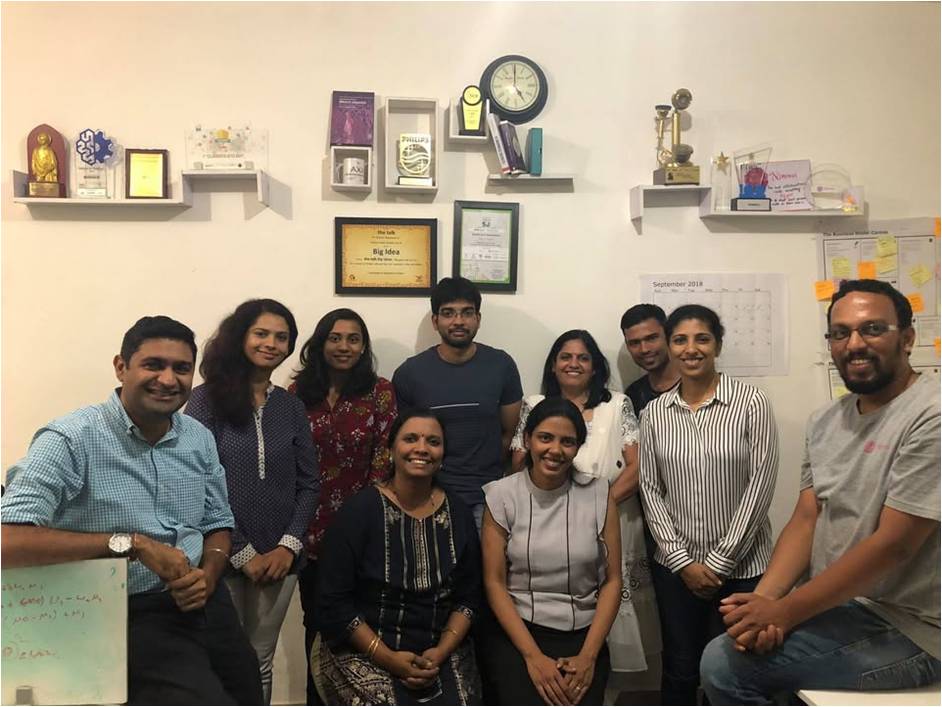
India’s battle against breast cancer has always needed something more than machines. It has needed sensitivity, privacy, dignity and a technology that understands the Indian woman. In Bengaluru, a young health‑tech organisation has quietly built that solution. Niramai Health Analytix is proving that Indian science can save Indian lives with intelligence, empathy and innovation. It is one of the most important Indian health technologies of this decade, yet one of the least spoken about.
Its story is a reminder that India’s future will be shaped by innovators who solve problems that matter.
Purpose and Mission
Niramai’s mission is simple and powerful. It wants every woman in India to have access to early breast cancer detection. It wants screening to be safe. It wants screening to be private. It wants screening to be affordable. It wants screening to be free of fear.
India faces a specific challenge. Breast cancer is the most common cancer among Indian women. More than two lakh new cases are reported every year. Many are detected late. Many women avoid mammography because of pain, radiation or embarrassment. Many live in areas without mammography machines.
Niramai was created to solve this India specific problem. Its core purpose is to make early detection accessible to every woman, regardless of geography or income. The organisation’s name stands for Non Invasive Risk Assessment with Machine Intelligence. It reflects a commitment to safety, privacy and scientific rigour.
Journey and Pivotal Moment
Niramai’s journey began with a personal tragedy. Its founder, Geetha Manjunath, lost a close family member to late detected cancer. The loss changed her direction. She realised early detection could save lives. She decided to build a technology that would make screening easier and more acceptable.
She had spent years working in research labs. She understood machine learning. She understood medical imaging. She understood India’s healthcare gaps. The pivotal moment came when she asked herself a simple question. “Why should Indian women fear screening?”
That question became the foundation of Niramai.
Beneficiaries and Measurable Impact
Thousands of women across India have already benefited from Niramai’s work. Hospitals and diagnostic centres use its thermal AI screening system. Corporate health camps use it. Community health programs use it. Women who avoided mammography now choose this method.
The impact is measurable. More than one lakh screenings have been conducted. Dozens of hospitals have adopted the technology. Multiple states have run pilot programs. Early detection rates have improved in several centres.
Niramai’s solution has reached women in cities, towns and semi urban areas. It has been used in corporate wellness programs, government health drives and NGO led screening camps. Women report feeling safer. They report feeling more comfortable. They report feeling more willing to return for follow up screening.
This emotional shift is as important as the clinical impact.
Indian Challenges and Systemic Gaps
India’s healthcare system faces unique challenges. Many women avoid mammography because of pain. Many fear radiation. Many feel uncomfortable with physical contact. Many live in areas without mammography machines.
Niramai’s solution responds to these gaps. It requires no physical touch. It uses no radiation. It can be deployed in small clinics. It can be used in health camps. It can be used in semi urban and peri urban areas.
India needed a screening method that respects cultural comfort. Niramai built one.
Innovation and Approach
Niramai’s innovation lies in combining thermal imaging with artificial intelligence. The system captures heat patterns from the breast. The AI model analyses these patterns. It identifies abnormalities that may indicate early cancer.
This approach is different from traditional screening. It is safer. It is faster. It is more accessible. It is more private. It is more acceptable to Indian women.
Niramai’s AI model was built using thousands of thermal images. It has undergone clinical validation in multiple hospitals. It has been tested across age groups and breast densities. It has shown high sensitivity and specificity in early detection.
The organisation’s approach is scientific but deeply human. It respects privacy. It respects comfort. It respects cultural realities.
People Behind the Mission
Niramai is led by a multidisciplinary team. It includes engineers, data scientists, clinicians and public health experts. They bring expertise in AI, imaging, oncology and product design.
The organisation’s advisory board includes oncologists and radiologists who guide clinical validation. Its engineering team works on improving accuracy and speed. Its deployment team works with hospitals and health partners across India.
Geetha’s leadership style is collaborative. She encourages her team to question assumptions. She encourages them to think like scientists and act like problem solvers. She believes innovation requires humility and persistence.
Her own words capture her philosophy. “Technology must serve people. It must make life easier, not harder.”
Obstacles and Lessons
The biggest obstacle Niramai faced was acceptance. Many doctors were sceptical of thermal imaging. Many questioned whether AI could match traditional methods. Many wanted clinical proof.
Niramai responded with data. It conducted studies. It published results. It worked with hospitals. It built trust through evidence.
The lesson was simple. Innovation must earn trust. Trust comes from results.
Niramai also faced regulatory challenges. Medical devices require approvals. The organisation navigated the process patiently. It ensured compliance. It built a product that meets Indian and global standards.
Strengthening India’s Long Term Capability
Niramai strengthens India’s future in multiple ways. It improves early detection. It reduces treatment costs. It saves lives. It empowers women. It builds confidence in Indian innovation.
It also strengthens India’s health technology ecosystem. It shows that Indian companies can build world class medical devices. It shows that AI can solve Indian problems. It shows that innovation can be affordable and accessible.
Niramai contributes to India’s long term resilience. It builds a culture of preventive healthcare. It encourages women to take charge of their health. It reduces the burden on hospitals.
Future Vision for India
Niramai envisions an India where every woman has access to early screening. It wants its technology in every district. It wants screening to be part of routine health checks. It wants India to lead the world in safe, affordable cancer detection.
It also wants to expand its technology to other conditions. It believes thermal AI imaging can detect multiple diseases. It wants India to be a global leader in non invasive diagnostics.
Its dream is simple. An India where no woman dies because cancer was detected too late.
Insight for Readers
The biggest insight from Niramai’s journey is that innovation begins with empathy. The organisation was built because its founder felt the pain of loss. It was built to prevent others from suffering. Its story teaches us that science becomes powerful when it serves humanity.
Niramai shows that Indian innovators can solve Indian problems with Indian intelligence. It shows that courage and compassion can create world class technology.
Action That Will Help India Progress
India should launch a National Early Screening Mission for Women. This mission can integrate thermal AI screening into primary healthcare. It can train nurses and technicians. It can deploy screening units in districts. It can partner with innovators like Niramai. It can save thousands of lives every year.
India’s future will be stronger when early detection becomes a national priority.