

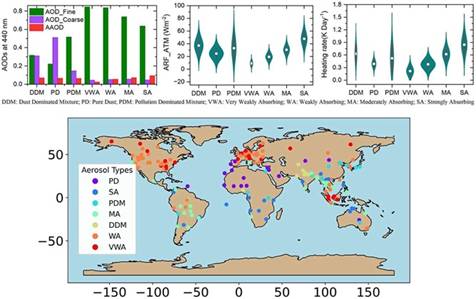
New research into the diversity of aerosols across the globe is offering valuable insights into the complex processes that influence climate change. Scientists have highlighted the importance of understanding the varied composition, sources and behaviour of atmospheric aerosols, which can significantly affect the Earth’s climate system.
Aerosols are tiny particles suspended in the atmosphere that originate from a range of natural and human-made sources, including dust, sea spray, wildfires, industrial emissions and other combustion activities. By interacting with sunlight and clouds, these particles can influence the Earth’s energy balance and play an important role in determining regional and global climate patterns.
Researchers believe that mapping the diversity of aerosols and understanding their distribution can help improve climate models and reduce uncertainties in climate predictions. The findings could also contribute to a better assessment of the impacts of air pollution and changing atmospheric conditions.
The study underscores the need for continued global observations and collaborative research to better understand aerosol behaviour. A deeper understanding of these atmospheric particles could strengthen scientific efforts to predict future climate trends and support more effective strategies to address the challenges posed by climate change.