

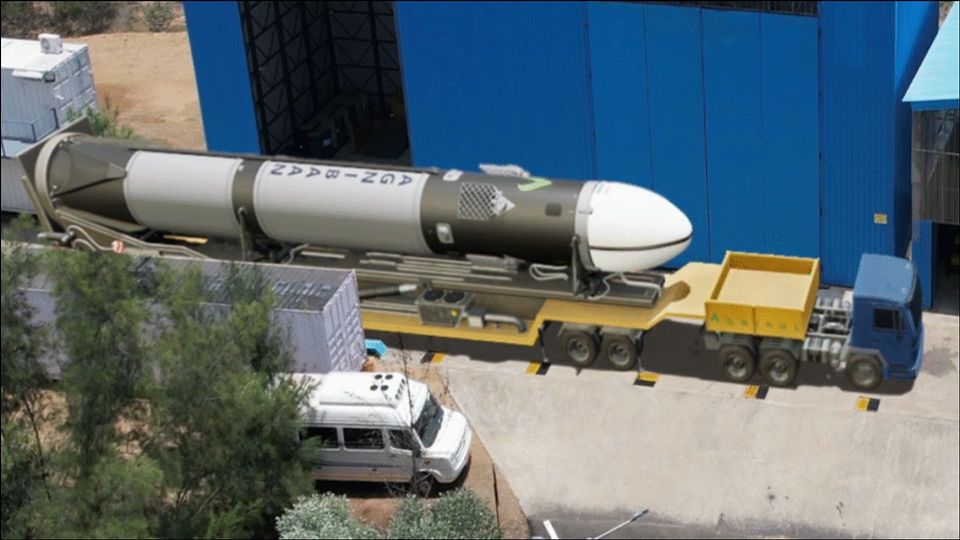
India’s space story has always carried a quiet fire. In Chennai, that fire has found new hands. Agnikul Cosmos is building a small rocket for a big dream. Their 3D printed engine, their modular launch vehicle and their private launchpad at Sriharikota show what Indian imagination can do when backed by courage. This is a story of two engineers who believed India could build its own path to space. Their work is changing how India thinks about access, speed and innovation.
Agnikul is proving that India can lead in space with its own ideas.
Purpose and Mission
Agnikul’s purpose is clear. They want to make access to space simple. They want small satellites to launch on demand. They want India to lead the world in agile space transportation. Their mission is to build a rocket that can be customised, printed and assembled quickly.
India faces a specific problem. Small satellites are growing fast. Universities build them. Startups build them. Research labs build them. But launch options are limited. Large rockets are expensive. Launch windows are slow. Agnikul solves this gap with a micro launch vehicle designed for small payloads.
Their purpose is simple. To make space accessible. To make space affordable. To make space Indian.
Journey and Pivotal Moment
Agnikul began at IIT Madras. The founders, Srinath Ravichandran and Moin SPM, believed India could build a rocket engine using 3D printing. They saw how global companies were experimenting with additive manufacturing. They realised India had the talent to build something original.
The pivotal moment came when they printed and tested a single piece rocket engine. It had no joints. It had no welds. It had no assembly. It was printed as one unit. This changed everything. It proved that India could leap ahead in manufacturing.
That moment shaped Agnikul’s direction. They decided to build a fully 3D printed engine for their rocket.
Beneficiaries and Measurable Impact
Agnikul’s work benefits satellite makers, universities, research labs and commercial operators. Their modular rocket design allows customers to choose configurations based on payload needs.
The impact is visible. They signed an MoU with ISRO. They gained access to national testing facilities. They built India’s first private launchpad at Sriharikota. They completed multiple engine tests. They moved closer to orbital launch readiness.
Their work inspires young engineers. It strengthens India’s position in the global small satellite market. It shows that private space companies can build serious technology.
Indian Challenges and Systemic Gaps
India faces unique challenges in private space. Launch infrastructure is limited. Manufacturing is expensive. Testing access is restricted. Many small satellite makers struggle to find launch windows.
Agnikul responds to these gaps with innovation. They built a micro launch vehicle that can be assembled quickly. They designed engines that can be printed in days. They created a private launchpad to reduce dependency on national schedules. They built a system that can serve India’s growing satellite ecosystem.
India needed a company that understood both engineering and constraints. Agnikul became that company.
Innovation and Approach
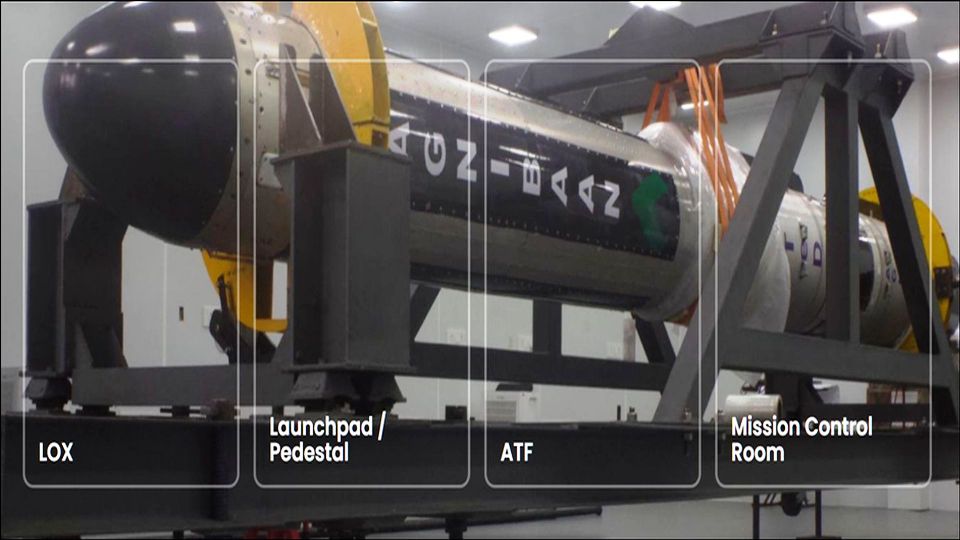
Agnikul’s innovation lies in their approach to rocket design. Their engine is printed as a single piece. This reduces manufacturing time. It improves reliability. It lowers cost.
Their launch vehicle, Agnibaan, is modular. Customers can choose the number of engines. They can choose the configuration. They can choose the payload capacity. This flexibility is rare in global space technology.
Their approach is rooted in simplicity. Build small. Build fast. Build reliable. Build Indian.
Their spokesperson often says, “We want to make space as easy as booking a cab.”
This guides their engineering.
People Behind the Mission
Agnikul is led by two engineers who believe in India’s potential. Srinath Ravichandran brings aerospace engineering expertise. Moin SPM brings hardware and manufacturing expertise.
Their team includes propulsion engineers, avionics specialists, additive manufacturing experts and space systems designers. They work closely with IIT Madras faculty and ISRO scientists. Their collaboration with the National Centre for Combustion Research and Development strengthens their technical foundation.
Their strength lies in precision and humility. They build quietly. They test rigorously. They refine constantly.
Obstacles and Lessons
Agnikul faced many obstacles. Building a 3D printed engine required new processes. Testing required access to national facilities. Regulatory approvals required patience. Building a private launchpad required coordination.
They overcame these challenges through persistence. They built relationships with ISRO. They followed every regulation. They tested repeatedly. They proved their capability through results.
The lesson they learned is clear. Space rewards discipline. Space rewards patience. Space rewards engineering excellence.
Strengthening India’s Long Term Capability
Agnikul strengthens India’s future by building indigenous space transportation. Their work reduces dependency on foreign launch providers. It supports India’s satellite ecosystem. It inspires young engineers. It builds confidence in private space technology.
Their 3D printed engine capability strengthens India’s manufacturing future. Their modular rocket design strengthens India’s commercial space market. Their private launchpad strengthens India’s infrastructure.
They are building resilience by making space accessible to Indian institutions and startups.
Future Vision for India
Agnikul envisions an India where launching a satellite is simple. They want universities to launch student satellites easily. They want startups to test space products quickly. They want India to lead the world in small satellite launches.
They want to build rockets that can be printed in days. They want to build launchpads across India. They want to create a future where India is known for agile space transportation.
Their dream is simple. An India that leads the world in small satellite access.
Insight for Readers
The biggest insight from Agnikul’s journey is that India can build world class space technology with its own hands. Their story shows that innovation is not about size. It is about courage. It is about precision. It is about belief.
Action That Will Help India Progress
India should launch a National Small Satellite Access Program. This initiative can support micro launch vehicles. It can fund university satellite missions. It can expand private launch infrastructure. It can accelerate India’s commercial space ecosystem. It can make India the global hub for small satellite launches.
India’s future will be stronger when access to space becomes a national priority.