
In an era of fast fashion, rapid technology upgrades, and a growing “replace rather than repair” culture, communities around the world are rethinking the way they consume resources. Bengaluru’s Repair Maadi initiative offers a powerful alternative by encouraging citizens to extend the life of their belongings through repair, refurbishment, and reuse.
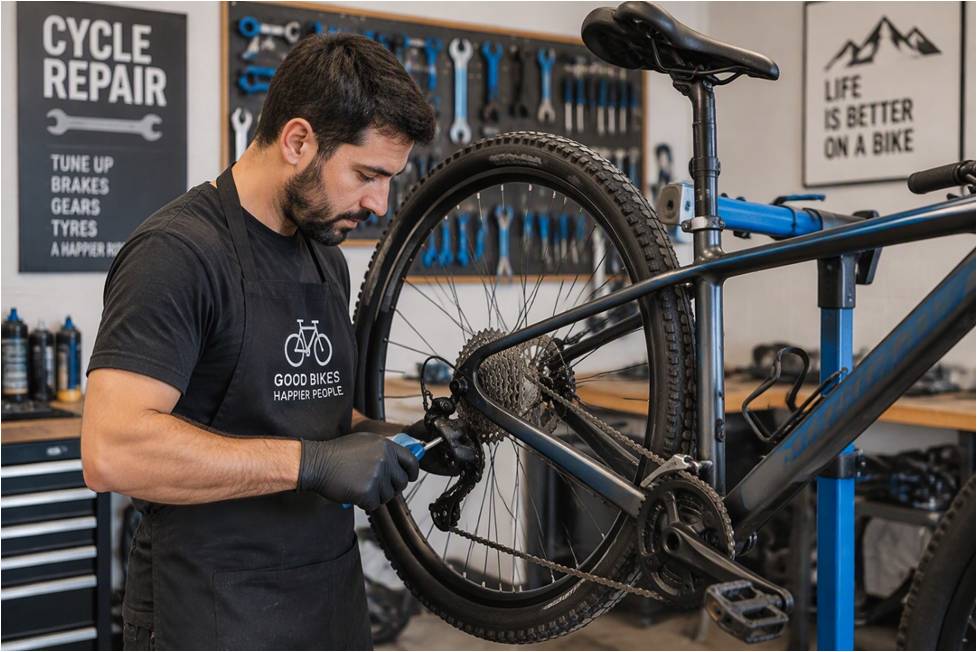
More than just a repair event, Repair Maadi is a grassroots movement that brings together skilled repair professionals, sustainability advocates, and conscious consumers to demonstrate that small acts of mending can have a significant environmental and social impact.Under this initiative, the participants are encouraged to bring worn-out, damaged, or malfunctioning items such as clothing, shoes, bags, bicycles, furniture, electronics, and household appliances for repair and restoration.
By promoting repair as a practical, economical, and environmentally responsible choice, Repair Maadi seeks to reduce waste, conserve resources, and rekindle India’s long-standing tradition of fixing and caring for possessions rather than discarding them at the first sign of wear and tear.
Repair Maadi, organized by Saahas, a Bengaluru-based sustainability organization, aims to inspire a shift from a linear “buy-use-discard” model to a circular economy approach where products remain in use for as long as possible. The event serves as a platform for citizens to discover the value hidden in items they might otherwise throw away.Through repair services, workshops, and community engagement activities, the initiative’s key objectives include:
- Extending the lifespan of everyday products.
- Reducing waste sent to landfills.
- Promoting sustainable consumption habits.
- Raising awareness about the environmental costs of overconsumption.
- Supporting local repair professionals and traditional craftsmanship.
- Encouraging communities to embrace repair, reuse, and upcycling as everyday practices.
Repair Maadi is designed for anyone interested in making more sustainable lifestyle choices, including households and families looking to repair everyday items; students and young professionals interested in environmental responsibility; sustainability enthusiasts and climate-conscious citizens; resident welfare associations and community groups; DIY hobbyists and makers, and local artisans, technicians, tailors, cobblers, and repair specialists.
Repair Maadi goes beyond fixing broken items. Through workshops, demonstrations, and interactive activities, participants learn about upcycling, creative reuse, maintenance, and sustainable living practices. These experiences encourage people to view waste not as an endpoint, but as a resource that can be recovered, repurposed, and reintroduced into the economy.
Photo by Julie Molliver on Unsplash