

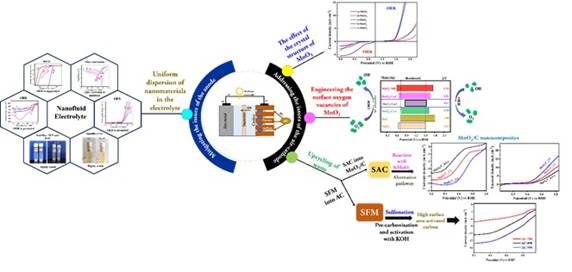
Scientists have developed a slew of innovative technologies aimed at enabling the development of electrically rechargeable zinc-air batteries, paving the way for safer, cost-effective and sustainable energy-storage solutions. The advancements focus on addressing key challenges associated with the rechargeability and long-term performance of zinc-air battery systems.
Zinc-air batteries are considered promising alternatives to conventional lithium-ion batteries due to their high energy density, low cost, safety and use of abundant zinc resources. However, their widespread adoption has been limited by challenges such as sluggish oxygen reactions, electrode degradation and limited cycle life during repeated charging and discharging.
The newly developed technologies seek to overcome these limitations through advances in electrode materials, catalysts and battery architecture, improving the efficiency of oxygen reduction and oxygen evolution reactions. These innovations could help enhance the durability, energy efficiency and rechargeability of zinc-air batteries.
The developments are expected to contribute to the advancement of next-generation energy-storage technologies, with potential applications in renewable-energy integration, electric mobility and grid-scale energy storage. The progress also strengthens efforts towards developing indigenous and sustainable battery technologies that can reduce dependence on critical raw materials and support the transition to clean energy.