

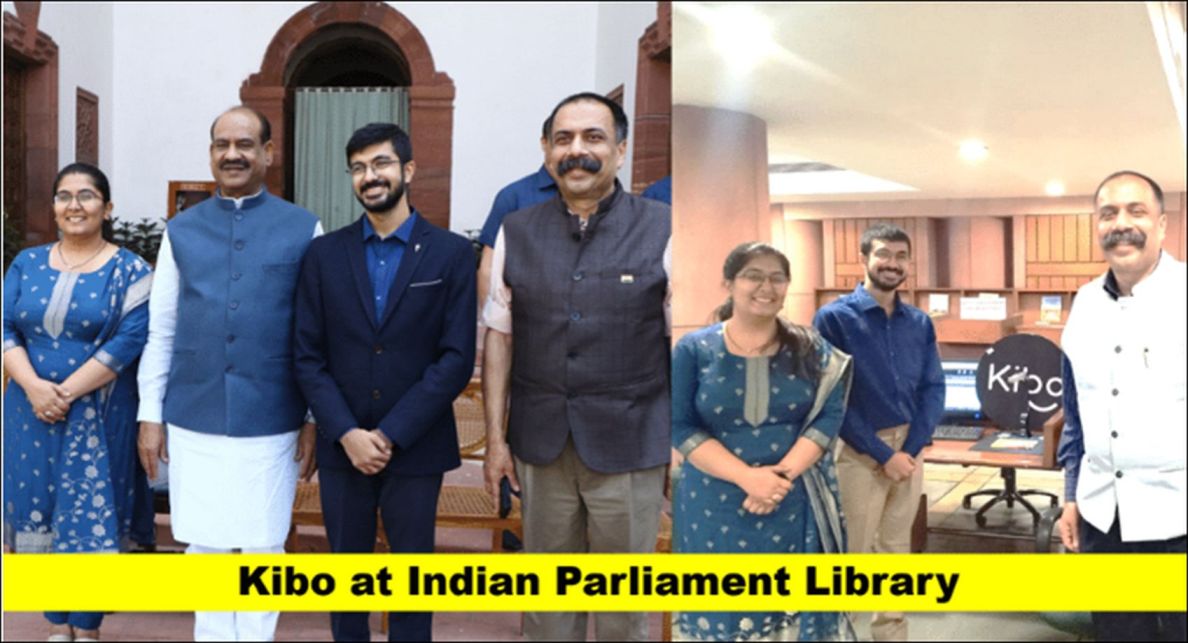
India has millions of people who cannot read printed text. Many live with visual impairment. Many struggle with inaccessible documents. Many lose opportunities because information is locked away. In Bengaluru, a young organisation is breaking that barrier. Trestle Labs has built Kibo, a technology that reads text aloud in Indian languages. It is simple. It is fast. It is life changing. Kibo is proving that India can build inclusive technology with compassion and precision.
Kibo shows what happens when Indian innovation listens to people who are often unheard.
Purpose and Mission
Trestle Labs exists to make information accessible. Their mission is to help people read anything. India faces a specific problem. Printed text is everywhere. But millions cannot read it. Many are blind. Many have low vision. Many struggle with complex documents. Many depend on others for access.
Kibo solves this gap. It reads printed and digital text aloud. It supports Indian languages. It works on phones. It works on laptops. It works in classrooms. It works in offices.
Their purpose is simple. To give people independence. To give people dignity. To give people access.
Journey and Pivotal Moment
Trestle Labs began with a question. Why should reading be a barrier. The founders saw how visually impaired students struggled with textbooks. They saw how workers struggled with documents. They saw how access shaped opportunity.
The journey took years of research. They built prototypes. They tested with users. They refined the product. The pivotal moment came when a student used Kibo to read a science chapter. The student smiled. The student said it felt like freedom. That moment changed everything.
The team realised they were not building a tool. They were building independence.
Beneficiaries and Measurable Impact
Kibo benefits students, workers, teachers and organisations. It helps people read books. It helps people read documents. It helps people read PDFs. It helps people read signs. It helps people read anything.
The impact is visible. Thousands use Kibo daily. Schools use it for inclusive education. Companies use it for accessible workplaces. NGOs use it for community programs.
Kibo saves time. It saves effort. It saves frustration. It saves opportunity.
Users report higher confidence. Teachers report better participation. Organisations report better inclusion. Kibo has reached people across India and abroad.
Indian Challenges and Systemic Gaps
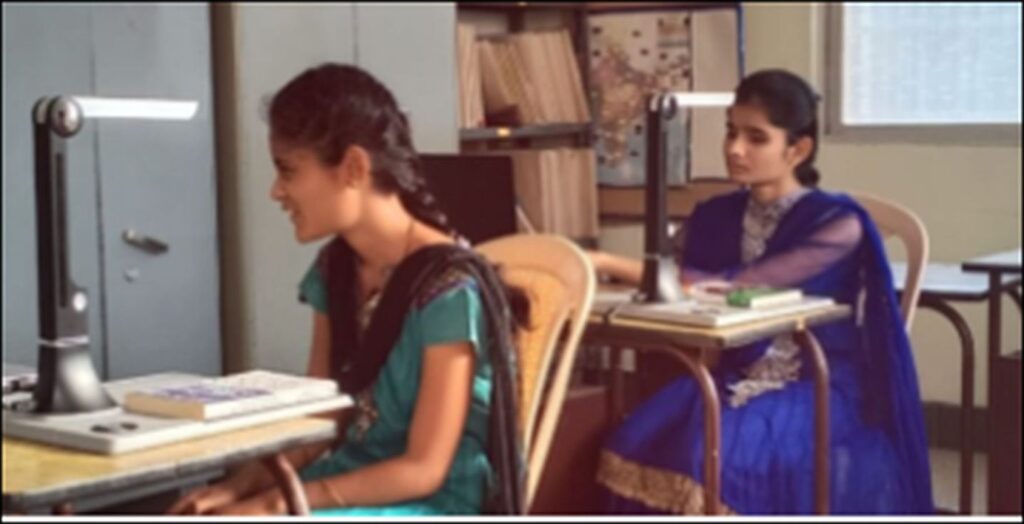
India faces unique challenges in accessibility. Many books are not available in audio. Many documents are not accessible. Many classrooms lack support. Many workplaces lack tools. Many people depend on others for reading.
Kibo responds to these gaps with technology. It reads text instantly. It supports Indian languages. It works offline. It works anywhere.
India needed a solution that understood local needs. Kibo became that solution.
Innovation and Approach
Kibo’s innovation lies in its simplicity. It uses artificial intelligence to read text aloud. It supports multiple languages. It works with printed and digital content. It works with complex documents.
Their approach is rooted in user experience. They design for clarity. They design for speed. They design for comfort. They design for dignity.
Their spokesperson often says, “Access should not depend on eyesight.”
This guides their engineering.
People Behind the Mission
Trestle Labs is led by a team that believes in inclusion. They include engineers, designers, accessibility experts and educators. They work closely with users. They listen to feedback. They refine constantly.
Their strength lies in empathy. They understand how people read. They understand how people struggle. They understand how technology can help.
Their leadership believes that accessibility is a right.
Obstacles and Lessons
Trestle Labs faced many obstacles. Building accurate reading technology was hard. Supporting Indian languages required effort. Designing for diverse users required patience. Scaling across sectors required discipline.
They overcame these challenges through testing. They worked with schools. They worked with organisations. They worked with communities. They improved accuracy. They improved speed. They improved usability.
The lesson they learned is clear. Technology must listen before it speaks.
Strengthening India’s Long Term Capability
Kibo strengthens India’s future by making information accessible. It helps students learn. It helps workers grow. It helps organisations include. It helps communities progress.
Their work builds resilience. It reduces dependency. It increases opportunity. It improves education. It improves employment.
Kibo shows that inclusion is not charity. It is capability. It is strength. It is India.
Future Vision for India
Trestle Labs envisions an India where every person can read anything. They want classrooms to be inclusive. They want workplaces to be accessible. They want documents to be readable. They want information to be free.
They want to expand Kibo. They want to support more languages. They want to support more formats. They want to reach more people.
Their dream is simple. An India where no one is left behind.
Insight for Readers
The biggest insight from Trestle Labs’ journey is that inclusion is innovation. Their story shows that India’s future will be shaped by technology that cares. It shows that access is power. It shows that dignity is progress.
Action That Will Help India Progress
India should launch a National Accessibility Mission. This initiative can support inclusive classrooms. It can modernise workplaces. It can digitise books. It can train teachers. It can empower millions.
India will be stronger when access becomes universal.