

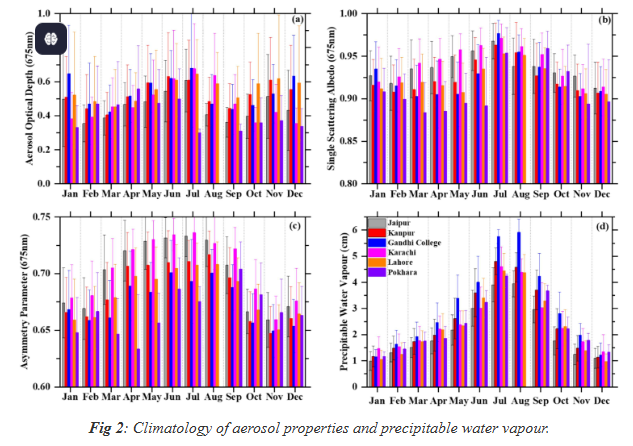
A new scientific study has found that water vapor plays a significantly larger role in heating Earth’s atmosphere than aerosols, reshaping understanding of how different atmospheric components influence climate. Researchers report that water vapor absorbs and retains far more heat than aerosols, tiny particles such as dust, smoke, and pollution suspended in the air. While aerosols can either cool or warm the atmosphere depending on their type and location, their overall heating effect is much smaller compared with that of water vapor.
The study highlights water vapor as the most powerful greenhouse gas, amplifying warming by trapping heat radiated from Earth’s surface. As global temperatures rise, increased evaporation adds more water vapor to the atmosphere, creating a feedback loop that further intensifies warming.
Scientists say the findings will help improve climate models by better quantifying how atmospheric components interact and influence temperature changes. The research also underscores the importance of understanding humidity and moisture dynamics when assessing future climate scenarios.
The study’s authors note that while reducing aerosol pollution remains important for air quality and public health, addressing greenhouse gas emissions remains critical for limiting long-term atmospheric warming.