

Scientists in India have developed an innovative approach to repurpose spent lithium-ion battery materials, giving them a “second life” in clean energy technologies. The breakthrough offers a sustainable solution to address growing battery waste while enhancing the performance of fuel cells.
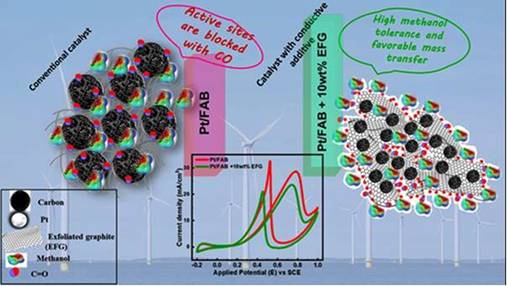
Researchers at the International Advanced Research Centre for Powder Metallurgy and New Materials (ARCI) have successfully utilized graphite recovered from discarded lithium-ion batteries to develop advanced catalysts for fuel cells. This recycled material demonstrates improved efficiency and durability, making it a promising alternative to conventional, costly resources.
The newly developed process enables the recycled graphite to act as a support material for catalysts in fuel cells, significantly enhancing their resistance to methanol crossover—one of the major challenges in fuel cell performance. This leads to better stability and longer operational life.
The innovation aligns with India’s focus on promoting a circular economy by reducing electronic waste and maximizing resource efficiency. By transforming used battery components into high-value materials, the technology also helps lower the overall cost of clean energy systems.
The development is expected to contribute to advancements in sustainable energy solutions and supports ongoing efforts to reduce environmental impact while promoting indigenous research and innovation.