

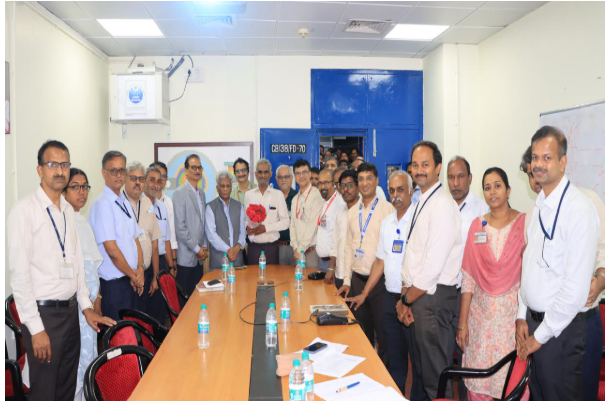
In a significant milestone for India’s nuclear energy programme, the Prototype Fast Breeder Reactor (PFBR) at Kalpakkam has successfully achieved first criticality, marking the start of a controlled nuclear chain reaction in the reactor. Developed by BHAVINI, the 500 MWe reactor is a key component of India’s three-stage nuclear power strategy aimed at enhancing long-term energy security. The project is located within the Madras Atomic Power Station campus.
First criticality signifies that the reactor has become self-sustaining in its nuclear fission process, a crucial step before it can begin generating electricity. The PFBR uses plutonium-based mixed oxide fuel and liquid sodium as a coolant, enabling it to produce more fissile material than it consumes—an essential feature of fast breeder technology.
The development is expected to strengthen India’s capability in advanced nuclear systems and support efficient utilization of the country’s vast thorium reserves in the long run. Officials highlighted that the successful commissioning of the PFBR will pave the way for a series of future fast breeder reactors, boosting clean energy generation.
With this achievement, India joins a select group of nations possessing operational fast breeder reactor technology, reinforcing its position in the global nuclear energy landscape.