

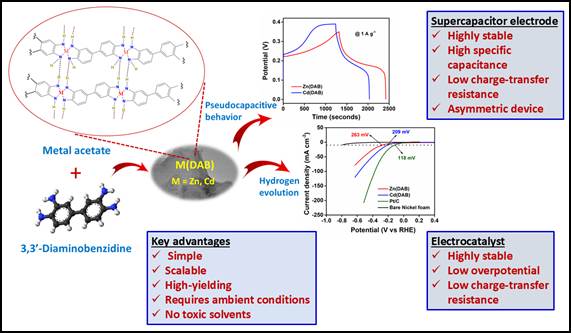
In a significant breakthrough for clean energy technologies, researchers have developed a next-generation material that promises to enhance energy storage efficiency while accelerating the production of green hydrogen. The innovation is expected to address key challenges in renewable energy systems, including storage limitations and high costs associated with hydrogen generation.
The newly developed material demonstrates superior electrochemical properties, enabling faster energy transfer and improved storage capacity compared to conventional alternatives. Scientists noted that such advancements could play a crucial role in stabilizing renewable energy supply from sources like solar and wind, which are inherently intermittent.
Importantly, the material also shows potential in improving the efficiency of water electrolysis—a process central to producing green hydrogen. By reducing energy losses and increasing output, the technology could make hydrogen fuel more economically viable and scalable for industrial and transportation applications.
Experts believe this development could support global efforts to transition towards low-carbon energy systems, with green hydrogen emerging as a key pillar in decarbonizing hard-to-abate sectors such as steel, shipping, and aviation.
While further testing and commercialization efforts are underway, the breakthrough marks a promising step toward sustainable energy storage solutions and a cleaner hydrogen economy.