

Scientists have identified promising new pathways to advance research on healthy ageing, offering fresh insights into how tissues maintain function over time and how age-related decline may be slowed or prevented.
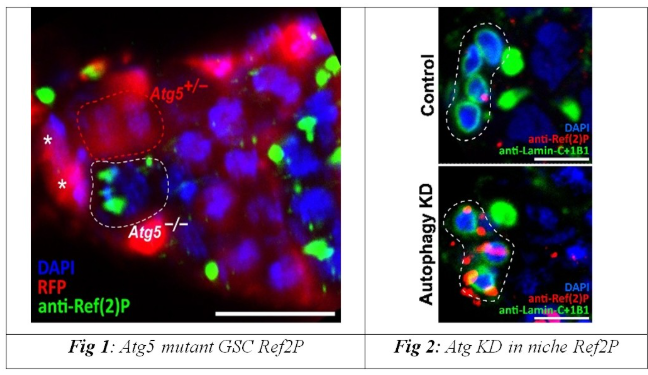
In a recent study, researchers found that ageing is not driven solely by changes within stem cells, but also by alterations in their surrounding microenvironment, known as the stem cell niche. The study highlights that damage to supporting cells and signalling systems can impair the regenerative capacity of stem cells, even when the stem cells themselves remain intact.
The findings suggest that targeting the cellular environment—alongside stem cells—could open new strategies for promoting healthy ageing and improving tissue repair. By restoring or protecting the niche that supports stem cells, it may be possible to delay functional decline associated with ageing and reduce vulnerability to age-related diseases.
Scientists believe this approach could have wide-ranging implications for regenerative medicine, age-associated disorders, and longevity research. The work marks a significant step toward shifting the focus of ageing research from lifespan extension alone to improving healthspan—the number of years lived in good health.
The study adds to growing evidence that healthy ageing depends on complex interactions between cells, tissues, and their microenvironments, and underscores the need for integrated strategies to address the biological processes of ageing.